



How Steel Punching Supports Structural Steel Projects
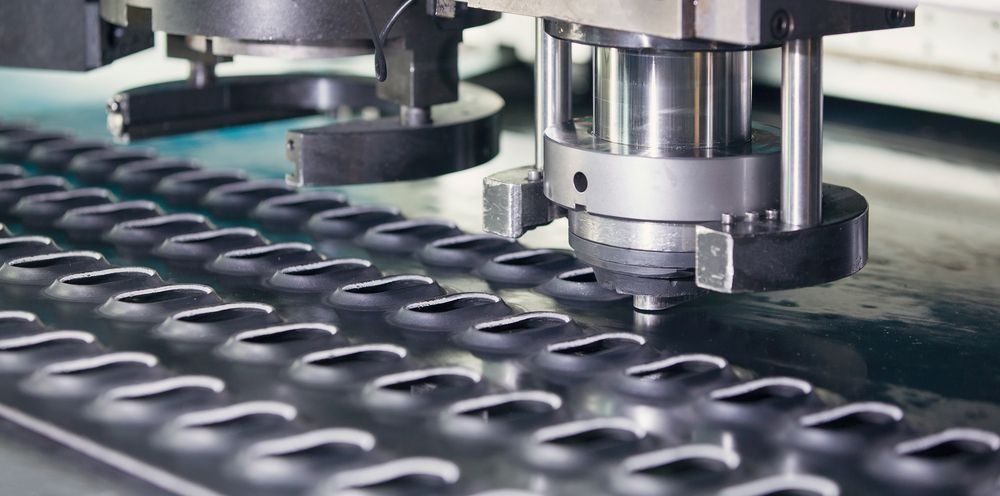
Structural steel plays a crucial role in today’s built environment, forming the backbone of commercial buildings, industrial installations and infrastructure. Yet behind every beam, bracket and connection point is a fabrication process that demands precision. Steel punching is one of the methods that helps make that possible. By using specialised machinery to create clean, accurate holes in steel, fabricators can deliver components that slot smoothly into place once they arrive on site.
Whether the goal is to maintain consistency across hundreds of identical parts or adapt designs to meet engineering requirements, punched steel supports efficient construction outcomes. As projects grow in scale and complexity, the ability to create repeatable, reliable connection points becomes even more important. This is where dedicated steel punching services in Darwin can provide real value, supporting engineers, detailers and fabricators across multiple stages of structural steel work.
1. Accuracy as the Foundation of Structural Alignment
Precise hole placement is fundamental to ensuring that steel components line up as intended when assembled. Even minor deviations can affect load distribution or complicate site work. Steel punching offers controlled, repeatable accuracy that supports design integrity from the workshop through to installation.
- Minimises misalignment between beams, plates & brackets
- Optimises load transfer by ensuring bolt patterns match engineered specifications
- Reduces on-site adjustments that can otherwise delay project schedules
Accurate punching integrates seamlessly with the workflow of steel fabrication in Darwin, allowing engineered drawings to inform every step of the process.
2. Supporting Consistent Connection Points Across Large Project Volumes
Large-scale construction often requires hundreds or even thousands of identical steel parts. Consistency is essential not only for structural performance but also for project sequencing, procurement and installation.
Key considerations:
- Automated punching maintains uniformity across batches
- Identical hole patterns improve assembly speed on-site
- Consistency minimises the risk of component rejection or rework
Using purpose-built punching equipment enables fabricators to deliver repeatable outcomes aligned with engineering detail and broader project requirements.
3. Enhancing the Efficiency of Workshop Fabrication
Steel punching is also valued for the speed and workflow efficiency it brings to the fabrication process. Compared with drilling, punching can complete repetitive patterns quickly without compromising quality.
Workshop benefits:
- Rapid cycle times support tight project deadlines
- Reduced tool wear lowers maintenance requirements
- Clean, burr-free holes support smoother assembly
Integrating automated punching alongside cutting, welding and forming processes helps create a streamlined fabrication pathway that improves overall output.
4. Improving Safety & Reliability Through Controlled Tolerances
Safe construction depends on steel components meeting engineered tolerances. Steel punching helps maintain these tolerances consistently, reducing the risk of structural issues developing later.
Safety advantages include:
- Cleanly punched holes reduce bolt tension anomalies
- Accurate geometry supports predictable load paths
- Reliable fitment limits on-site improvisation, improving safety practices
Because punched steel aligns closely with engineering specifications, it supports the fabrication of reliable structures designed for long-term performance.
5. Customising Steel Components for Specialised Designs
Not all structural steel is uniform. Many projects require customised fittings, unique bolt layouts or specific hole configurations to accommodate architectural or engineering needs. Steel punching enables this level of customisation while preserving accuracy.
Customisation capabilities include:
- Producing non-standard hole patterns for brackets or connections
- Allowing for multi-diameter hole requirements in a single component
- Creating designs that complement specialised functions or structural loads
By working from detailed drawings or templates, punching equipment can support complex project requirements in a controlled workshop environment.
For readers wanting broader insight into this capability, see the following: https://www.topendsteelsupplies.com.au/all-you-need-to-know-about-steel-punching
6. Reducing On-site Labour & Installation Delays
One of the core advantages of steel punching is its ability to reduce time spent on-site making adjustments. When steel arrives ready for immediate use, installation becomes faster, safer and more predictable.
On-site efficiencies include:
- Eliminating the need for manual drilling
- Supporting smoother alignment of bolted structural connections
- Helping crane & installation crews maintain momentum
Reducing delays contributes directly to project scheduling and can help multiple contractors work with greater cohesion.
7. Strengthening the Quality Assurance Process for Structural Steel
Quality assurance is a significant part of structural steel work, with every component requiring traceable accuracy. Steel punching supports QA processes by ensuring each hole matches the drawing, specification or weld detail that accompanies the part.
QA-aligned features:
- Repeatable accuracy that aligns with engineering documentation
- Ability to record & verify punching settings for compliance
- Clean hole finishes that reduce risk of fatigue points
When engineers and fabricators can rely on the consistency of punched components, the entire approval process becomes more efficient.
8. Aligning Punching with Broader Steel Fabrication in Darwin
Steel punching rarely operates in isolation. It forms part of a suite of workshop processes that prepare steel for structural use. When punching integrates effectively with cutting, welding and finishing, the resulting components align with both practical and engineered requirements.
Integration benefits:
- Improved workflow between fabrication stages
- Reduced handling & movement during production
- Coordination with other specialised services such as custom plate work & structural fabrication
For an overview of how punching complements a complete workshop capability, see our service page: https://www.topendsteelsupplies.com.au/steel-fabrication
Additional Context on Steel Punching for Evolving Project Demands
As structural projects continue to evolve, steel punching remains a critical component in ensuring that fabrication methods keep pace with modern engineering expectations. Increasingly intricate designs, tighter tolerances and accelerated construction schedules place pressure on workshops to deliver components that match drawings precisely the first time. Steel punching helps meet these expectations by supporting both high-volume output and detailed custom work without sacrificing accuracy. It also aligns well with digital workflows, allowing punched components to be produced directly from CAD models or detailer files, helping to minimise translation errors between design and fabrication. This compatibility strengthens collaboration between engineers and fabrication teams, improving project cohesion and supporting smoother transitions from planning to installation.
Get in Touch
At Top End Steel Supplies, we provide steel punching services in Darwin that support the precision and efficiency required in structural projects. Our team works closely with engineers and fabricators to deliver punched steel that meets the demands of local conditions, including the challenges of working in environments where reliability, consistency and timely delivery make a real difference onsite. To discuss upcoming work, request pricing or organise workshop support, get in touch with us today.
